
MailsDrop Guides
Temporary email, privacy, and safer signup guides
Practical guides about using disposable email addresses, reducing spam, testing email workflows, and keeping your personal inbox out of low-trust signups.
Can Temporary Email Receive Attachments? What to Check First
Can a temporary inbox receive an attachment? Learn what depends on the provider, why temporary storage is risky for files, and how to handle unexpected attachments safely.
Why Websites Block Temporary Email Addresses
Why a website may reject a temporary email address, what the message usually means, and which privacy-friendly option fits an account you need to keep.
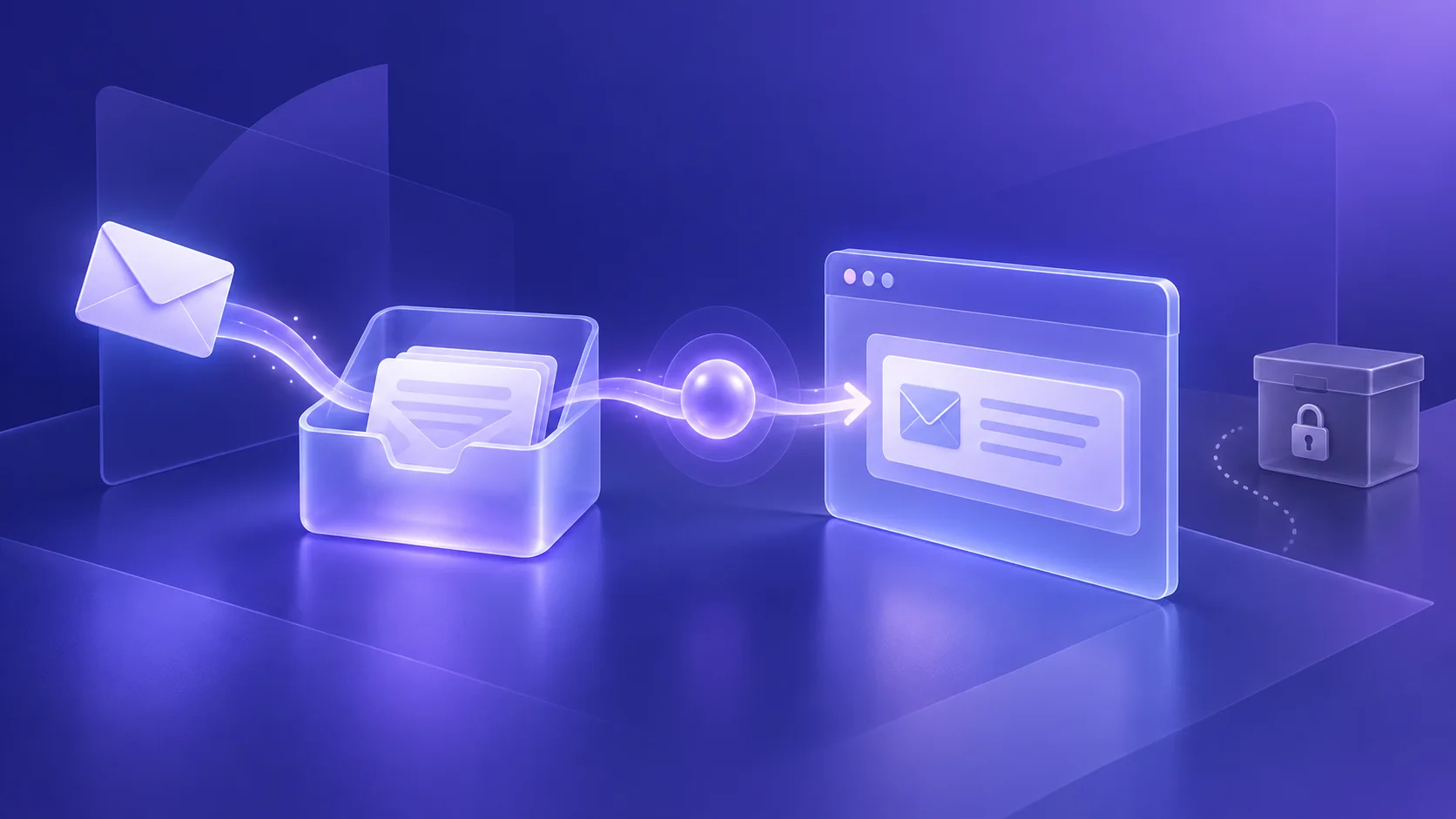
How MailsDrop Temporary Inbox Sessions Handle Messages: A Technical Note
A transparent technical note about how the standard MailsDrop temporary inbox receives messages during an active session, what is out of scope, and why it is not a permanent mailbox.
Email Verification Best Practices for Safer Signup Flows
A practical guide to designing email verification for signup flows without creating unnecessary friction, exposing secrets, or making unrealistic security claims.
Temporary Email for QA Testing: A Safe Workflow for Signup and Verification Tests
A responsible workflow for using a temporary inbox to test signup and email-verification flows on systems you own or are authorised to test.
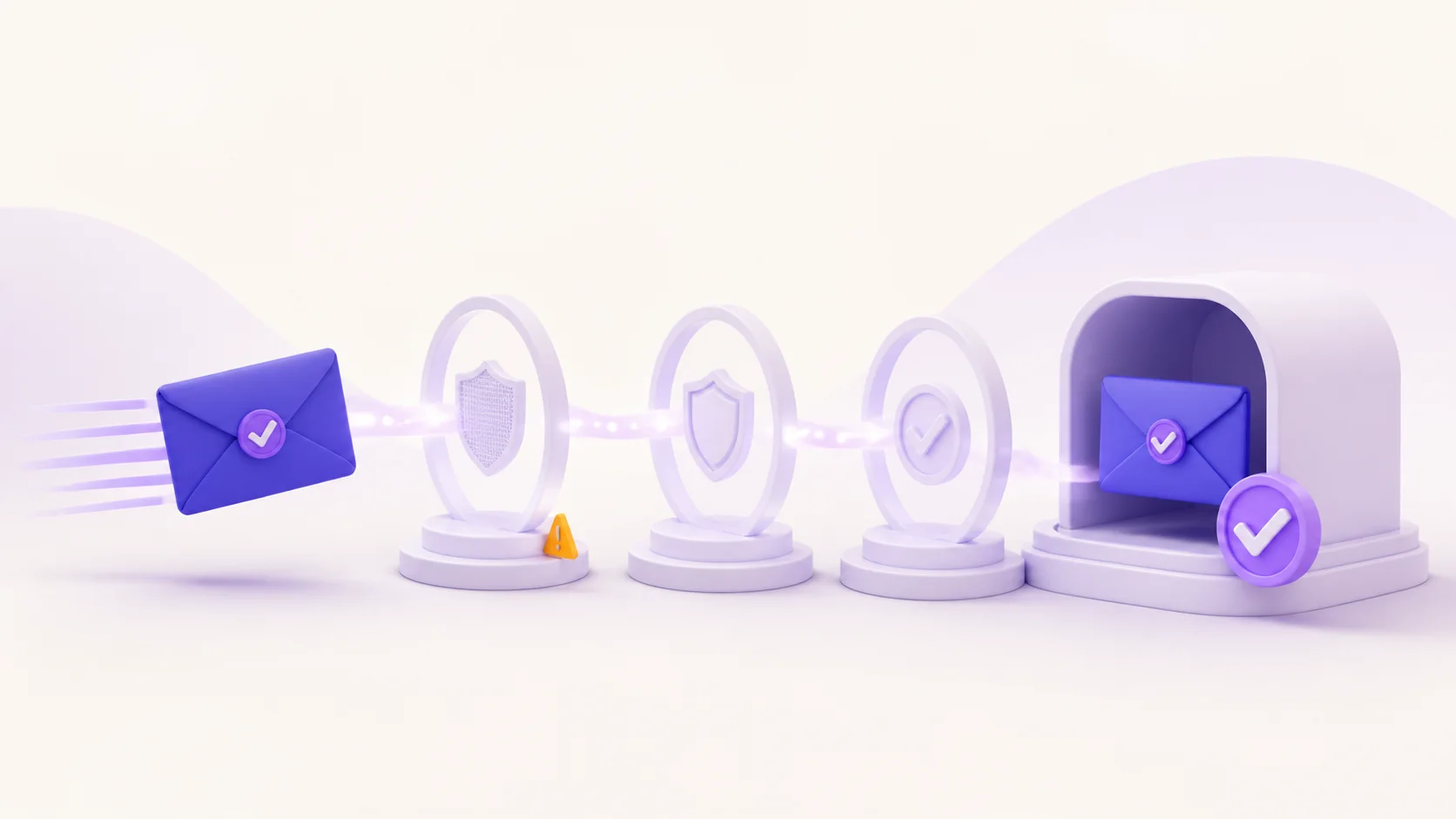
Verification Email Not Received? 10 Fixes
Verification email not received? Check address errors, spam filters, delivery delays, expired codes, temporary inbox limits, and safe next steps.
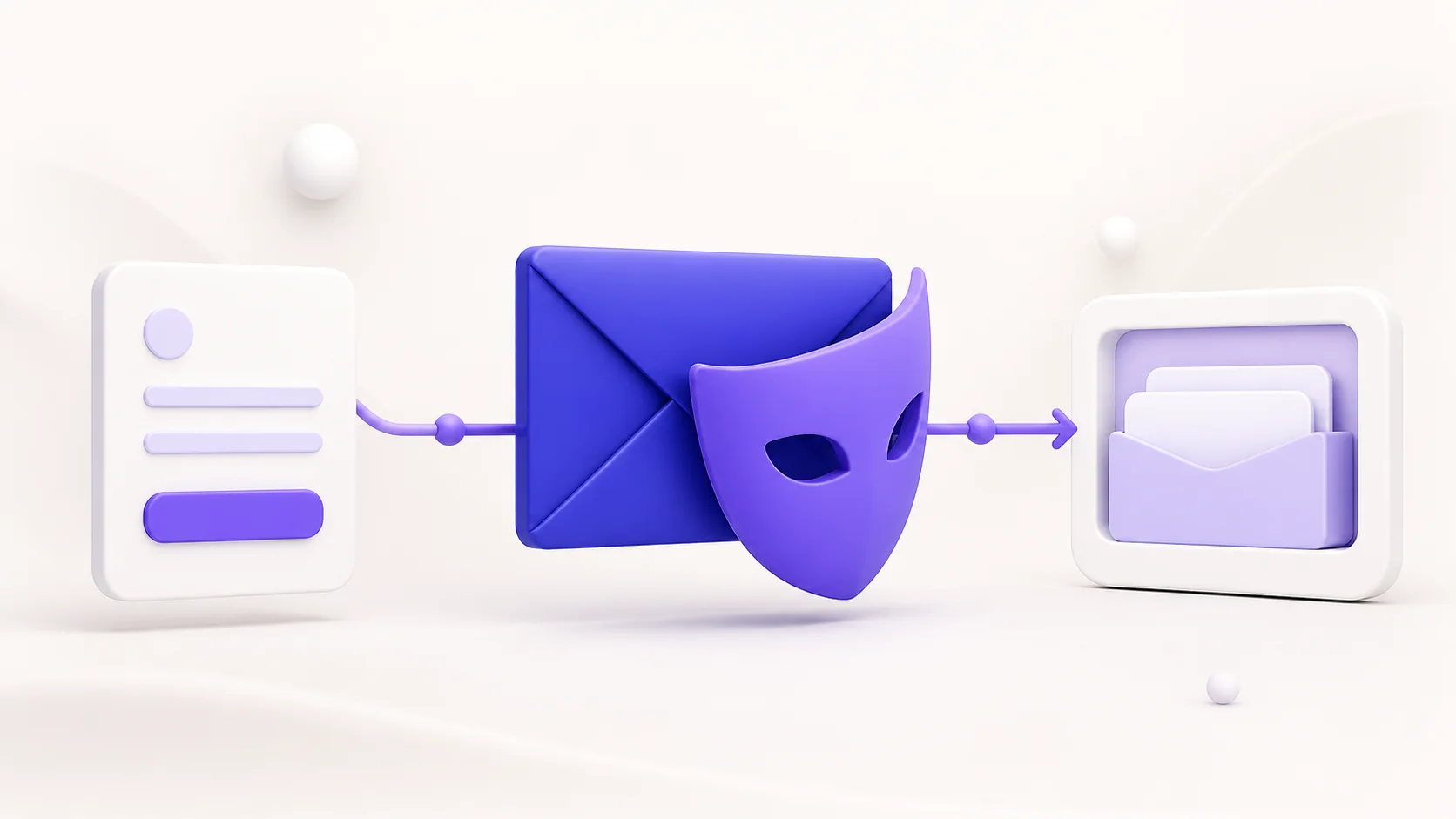
What Is Email Masking? How Email Aliases Protect Your Inbox
What is email masking? Learn how an email alias hides your primary address, how forwarding works, and when masking is better than a temporary inbox.
How to Stop Spam Emails: 10 Practical Ways to Protect Your Inbox
Learn how to stop spam emails with safer sign-ups, aliases, temporary inboxes, reporting, filters, and account-security habits that reduce future unwanted mail.
Can Temporary Emails Be Traced? What an Address Does—and Does Not Reveal
Can temporary emails be traced? Understand what an address, email headers, browser data, and service logs can reveal—and where disposable email privacy ends.
How Long Do Temporary Emails Last? Inbox Lifespan and Privacy Limits
How long do temporary emails last? Learn why lifespans vary by provider, what happens when a session ends, and when a permanent inbox is the safer choice.
How to Check if an Email Address Is Disposable: Signals and Limits
Learn how to check whether an email address is disposable, what domain and delivery signals can tell you, and how to avoid blocking legitimate users.
How to Make a Burner Email Safely: A Practical Guide
Learn how to make a burner email for legitimate, low-risk sign-ups, when to use one, and when a permanent inbox is the safer choice.
A practical temporary email guide library
This guide library explains how to use temporary email addresses thoughtfully. Each resource focuses on a specific question: how disposable inboxes work, when a short-lived address is useful, and when a permanent mailbox is the safer choice.
Use these temporary email guides to understand low-risk signups, confirmation messages, disposable email safety, and email verification testing. They are educational resources, not instructions for bypassing a website's rules or creating accounts that violate its policies.
Start with what temporary email is and how it works. For shorter-lived inboxes, read our 10 minute mail guide. If you need an important account, password recovery, payment service, or long-term access, use a regular email address that you control.
Choose a guide by your task
Start with the basics if you want to understand the difference between a temporary inbox and a regular email account. This is the right place to learn why a short-lived address should not be used for password recovery or accounts you expect to keep.
Choose a verification-focused guide when you are testing a sign-up form, waiting for a confirmation message, or troubleshooting why an incoming message did not arrive. Delivery can depend on the sender, the temporary domain, and the sender's own policy.
Use disposable email responsibly
A disposable email address can reduce unwanted promotional mail and keep low-trust signups separate from your primary inbox. It does not make a suspicious website safe, and it does not guarantee that a service will accept a temporary domain.
For banking, healthcare, work, education, travel, payments, private documents, or anything tied to your identity, use a permanent mailbox. The goal of these guides is to help you choose the appropriate inbox for the task, not to bypass another website's requirements.